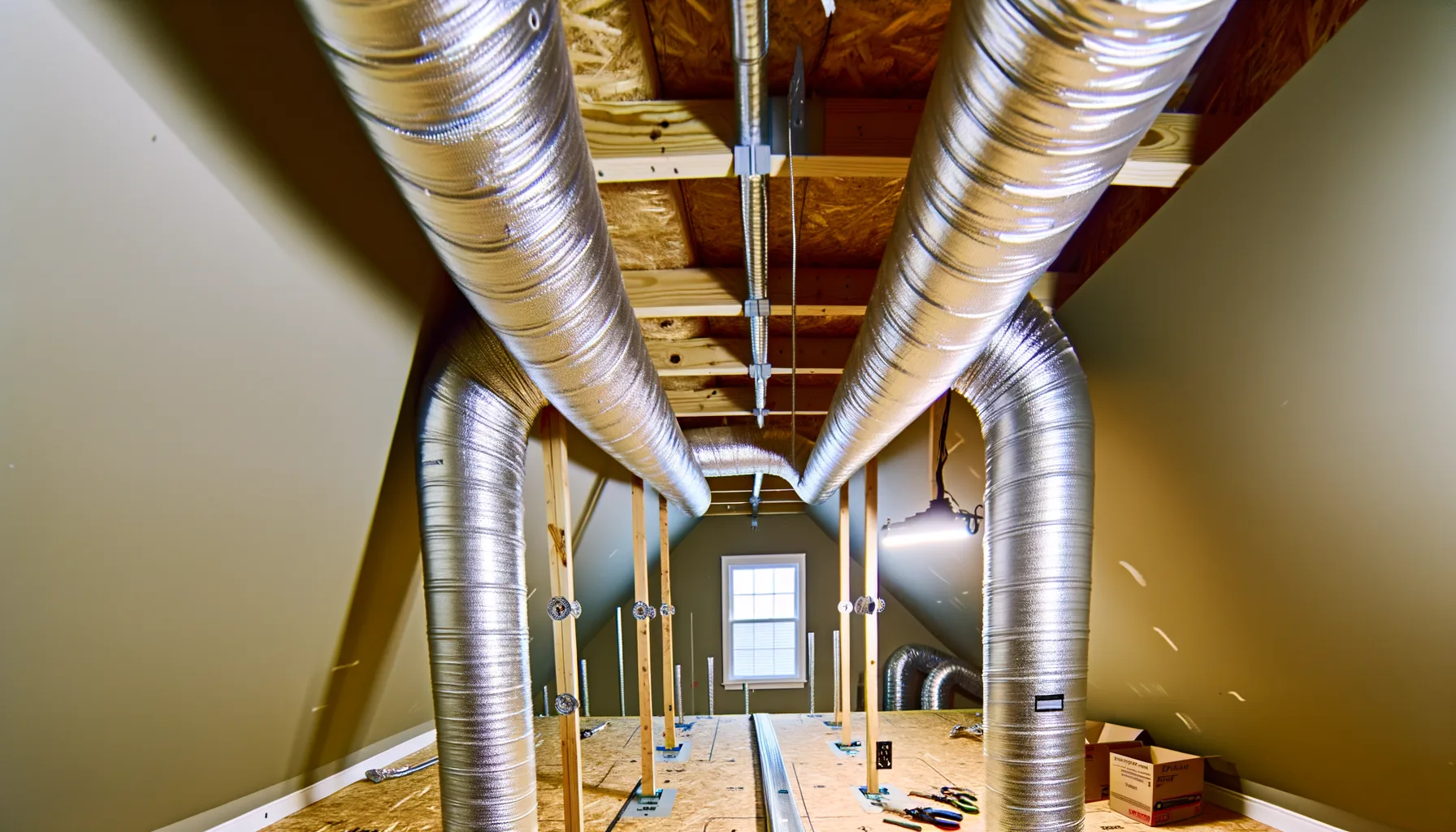
How Colorado Springs Building Codes Affect Your HVAC Needs
Published: 2026-04-14 · By BetterFlow Heating and Cooling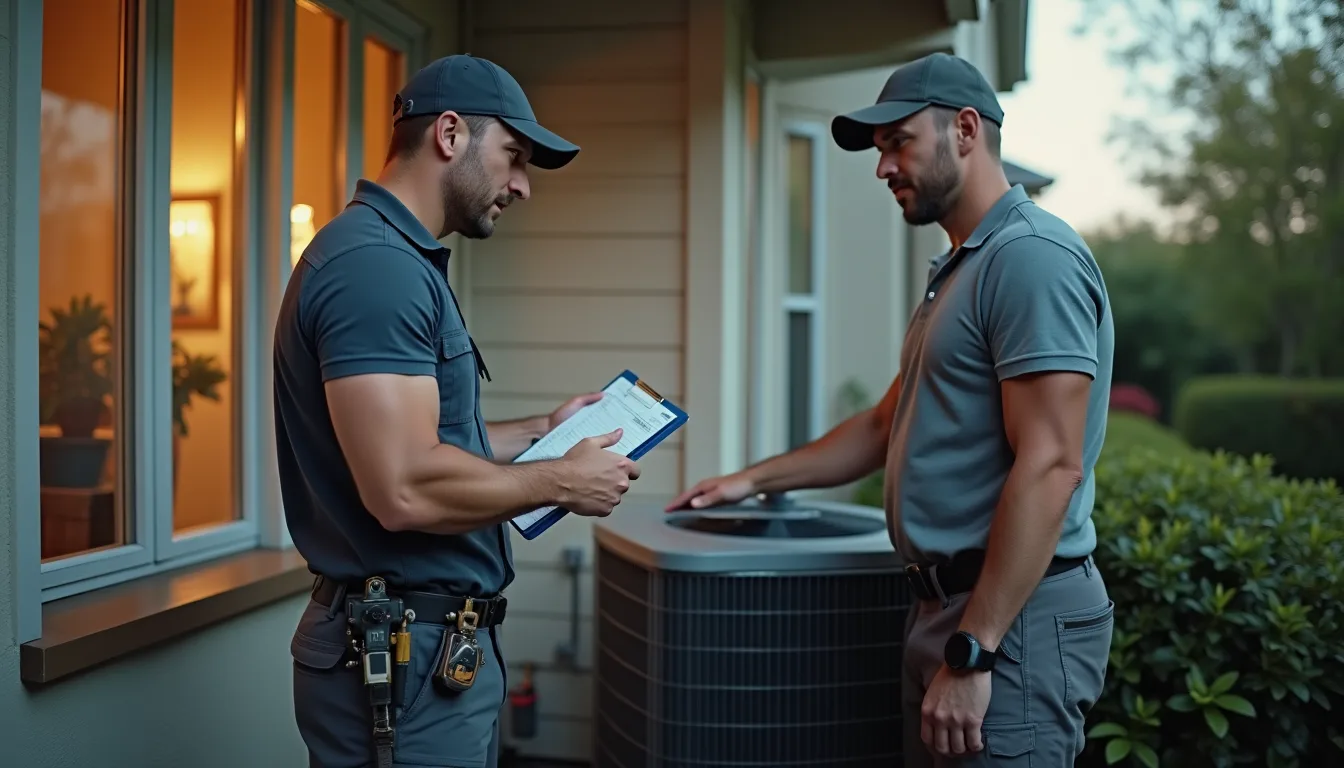
As a resident of Colorado Springs, you might have experienced the erratic dance of temperature fluctuations and weather anomalies. Picture this: a sunny afternoon with temperatures soaring in the 70s, only to be met with a sudden hailstorm that blanketed your yard in an icy layer. These rapid shifts and challenges significantly impact your HVAC needs and requirements. Understanding local building codes becomes crucial in managing these temperature swings effectively, especially in homes built on expansive clay soils prone to drainage issues.
Why This Matters for Colorado Springs Homeowners
Colorado Springs homeowners are often faced with unique HVAC challenges that stem from the local climate and building practices. The repetitive freeze-thaw cycles during spring wreak havoc on both your home's structure and HVAC efficiency. When the snow melts and the soil shifts, it can lead to catastrophic issues, including damage to ductwork and even HVAC units themselves.
Engaging with the local building codes is not just a matter of compliance—it's a crucial step toward ensuring your HVAC system operates efficiently in the fluctuating conditions. Many homes may not have adequate insulation or drainage, leading to increased energy bills and system breakdowns, particularly during the peak heating and cooling seasons.
Do not underestimate the importance of hiring HVAC professionals familiar with local building codes. They can help you navigate the complexities of your heating and cooling solutions amidst Colorado Springs' distinctive seasonal fluctuations.
Expert Solutions & Actionable Tips
1. Understand Your Home’s Foundation
In Colorado Springs, understanding your home’s foundation is critical. Homes built on expansive clay soils are especially susceptible to shifting. Before making HVAC upgrades, consider hiring a structural engineer to assess your foundation, which may cost around $500 to $1,000 depending on the complexity.
If your home requires foundational repairs, addressing this before installing new HVAC systems can save you from future headaches caused by shifting ductwork. This proactive approach also adheres to building codes aimed at protecting your investment.
2. Schedule Seasonal HVAC Checkups
With Colorado Springs’ fluctuating temperatures, seasonal HVAC checkups are essential. Scheduling visits in early spring and late fall can be optimal, costing around $100-$200 per inspection. Regular maintenance ensures that systems can handle the upcoming temperature swings effectively.
During these inspections, technicians can identify potential issues caused by freeze-thaw cycles, preventing costly repairs or even system replacements later on. Keeping your system in top shape will bolster your comfort through dual seasons where temperatures vary dramatically.
3. Upgrade Insulation to Maintain Efficiency
Upgrading your insulation can significantly enhance your HVAC’s efficiency, especially during harsh winters and warm summers. The cost for a professional insulation upgrade can range from $1,500 to $3,000, depending on the size of your home.
Proper insulation helps stabilize internal temperatures, reducing the strain on your HVAC system and leading to long-term energy savings, all while meeting local building codes for energy efficiency.
4. Invest in Energy-Efficient Units
Considering an investment in Energy Star-rated HVAC units can drastically reduce your energy consumption. Though the initial cost might be higher—averaging between $3,000 to $7,000—these systems often qualify for local rebates that can help offset that cost.
Furthermore, Colorado Springs residents can see reduced monthly utility bills, making these high-efficiency units a smart choice, especially given the local climate's unique demands.
5. Consider Smart Thermostats
Implementing smart thermostats can not only streamline your HVAC management but also help with maintaining consistent temperatures amid rapid weather changes. Prices for smart thermostats typically range from $100 to $300.
Many models offer features that learn your habits and adjust accordingly, optimizing your HVAC operation based on real-time climate conditions—ideal for Colorado Springs' unpredictable weather.
6. Consult Local Building Codes Regularly
Lastly, staying informed about changes in local building codes can be invaluable in preventing compliance issues. Regular checks with your local building department might cost a nominal fee but can save you from costly modifications later on.
Understanding what is required, especially for HVAC installations or modifications, will ensure your investment aligns with state regulations and best practices, allowing for seamless operation amid Colorado’s variable climate.
Colorado Springs Climate & Local Context
Colorado Springs enjoys a unique climate characterized by high altitude, rapid temperature changes, and distinct seasonal patterns. With an average snowfall of over 60 inches annually, homeowners face challenges not only from snow but also from potential hailstorms during the transition seasons.
The local building stock predominately consists of older homes, which often fail to comply with modern energy efficiency standards. This lack of adherence comes at a cost—either in increased energy expenses or damage to your HVAC efficiency. The extensive freeze-thaw cycles further add layers of complexity as they can cause considerable structural stress, necessitating adaptations in both your HVAC system and drainage solutions.
When to Call a Professional
Determining whether to handle HVAC repairs or installations yourself can raise questions, particularly for Colorado Springs homeowners. DIY repairs may save money initially but can lead to costly long-term consequences if not executed properly. Recognizing when to consult a professional is key.
- Unfamiliar with local building codes and regulations
- You notice unusual sounds or smells from your system
- Your HVAC system fails to reach the set temperature
- Unexplained increases in energy bills
- Visible damage or wear on the HVAC unit
- Aging equipment over 15 years old
In these situations, calling a skilled HVAC technician is advisable for a thorough evaluation and tailored solutions.
Frequently Asked Questions
How often should I have my HVAC system inspected in Colorado Springs?
In Colorado Springs, an annual inspection is recommended in both spring and fall to prepare for seasonal demands, particularly due to dramatic temperature fluctuations.
What are the signs I need to replace my HVAC unit?
If your HVAC system is over 15 years old, requires frequent repairs, or fails to adequately heat or cool your home, these may be signs that replacement is necessary.
Are there specific building codes for HVAC systems in Colorado Springs?
Yes, Colorado Springs has specific building codes addressing HVAC systems to ensure energy efficiency and safety, which must be adhered to during installation or renovation.
Do energy-efficient HVAC systems really save money?
Absolutely! Energy-efficient systems significantly reduce utility bills while remaining compliant with local codes, making them a smart investment.
What should I do if I experience a sudden HVAC breakdown?
For an emergency HVAC breakdown, contact a local professional like BetterFlow Heating and Cooling immediately for swift assistance and to prevent further damage.
Get Expert HVAC Service in Colorado Springs
Colorado Springs homeowners must stay alert to the impacts of our unique climate on HVAC needs. For tailored solutions that consider local regulations and best practices, reach out to BetterFlow Heating and Cooling.
Call (719) 286-1262 today to ensure your HVAC system is ready for the unpredictable Colorado weather!